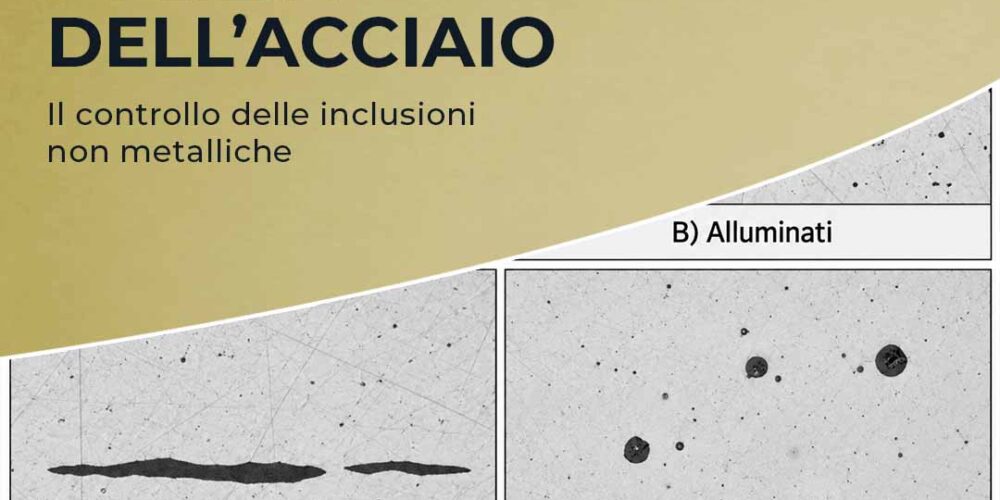
When assessing the quality of a steel, checking its chemical composition…
Special steel production processes: the Electric Arc Furnace

Types of Electric Arc Furnace
There are two main types of electric arc furnaces: alternating current (AC) and direct current (DC). In the AC furnace, three graphite electrodes attached to the lid generate electric discharges that melt the scrap metal. In the DC furnace, a single electrode acts as the cathode while three anodes at the bottom create an electric arc that passes through the scrap, melting it rapidly.
The Melting Process in the Electric Arc Furnace
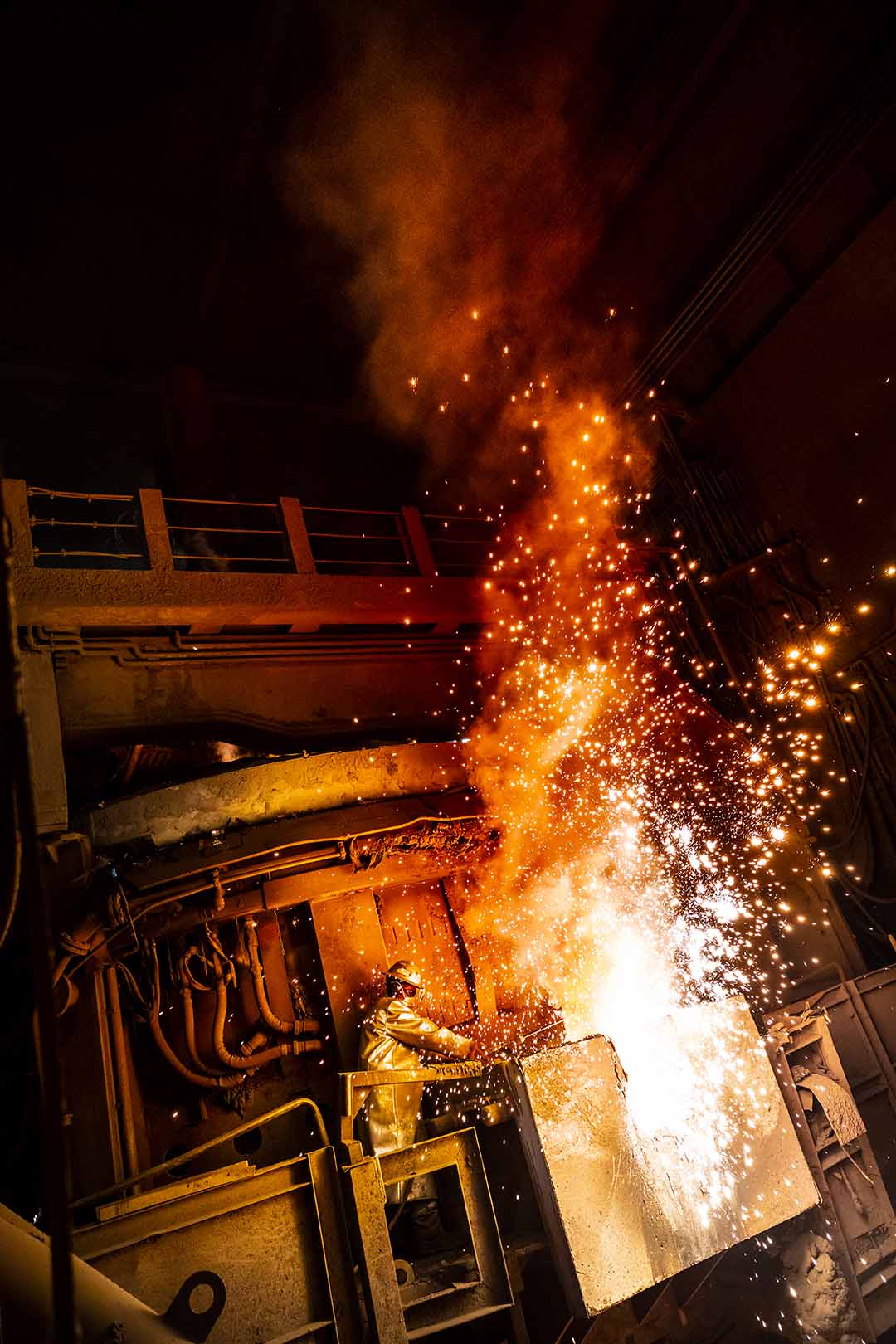
The electric arc furnace uses graphite electrodes to melt scrap, liquefying it in about two hours. During this process, alloying elements can be added to achieve the desired chemical compositions. Since graphite is made of carbon, the carbon content in the molten bath might be high, but this will be adjusted during the secondary metallurgy phases.
Protection of the Molten Bath and Tapping
Special Steel Production Processes – The Electric Arc Furnace: Conclusion.
The use of the electric arc furnace is essential for producing high-quality special steel. This method allows for precise control of the chemical composition and guarantees a final product that meets the required technical specifications. The steel, produced by Deutsche Edelstahlwerke (DEW) foundries, which we represent, reflects high standards of purity and precision. This fundamental phase is just one of many we’ll explore in our journey through the special steel production processes.