When assessing the quality of a steel, checking its chemical composition…
Alloy Elements: Carbon
Carbon (C), one of the main components in special steels, is not formally classified as an alloying element, but it represents a key factor in determining the characteristics of steel, influencing its hardness and mechanical strength. Present in varying percentages from a few hundredths up to 2%, carbon plays a crucial role among alloying elements, significantly modifying the mechanical properties and performance of special steel.
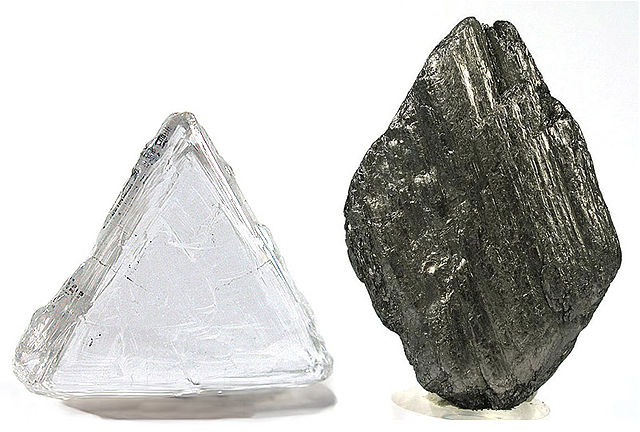
Carbon Alloy Element Sheet

The Role of Carbon in Steel
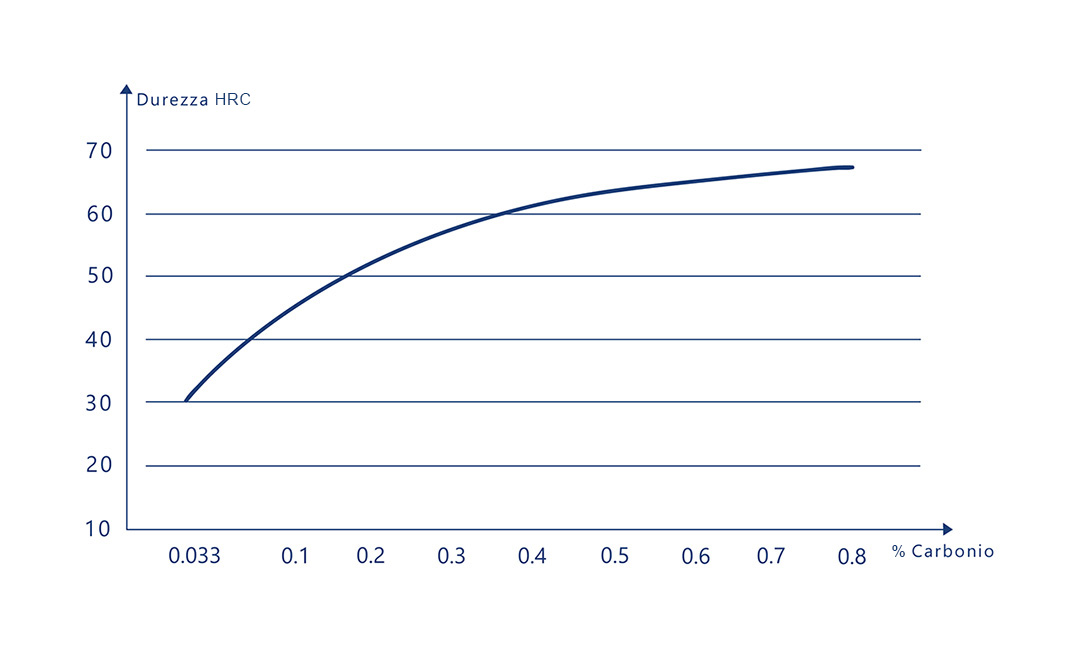
Carbon is the most cost-effective element among those used to increase the hardness and, more generally, the mechanical strength properties of steels. Hardness increases with the carbon content, as shown in Graph 1.
The maximum achievable hardness is obtained with a carbon content of approximately 0.6%, in steels with a predominantly martensitic microstructure.
Higher amounts of carbon lead to the formation of carbides with intentionally added alloying elements such as Chromium (Cr), Molybdenum (Mo), Vanadium (V), Tungsten (W), and Titanium (Ti), in order to increase wear resistance and other properties of special steels.
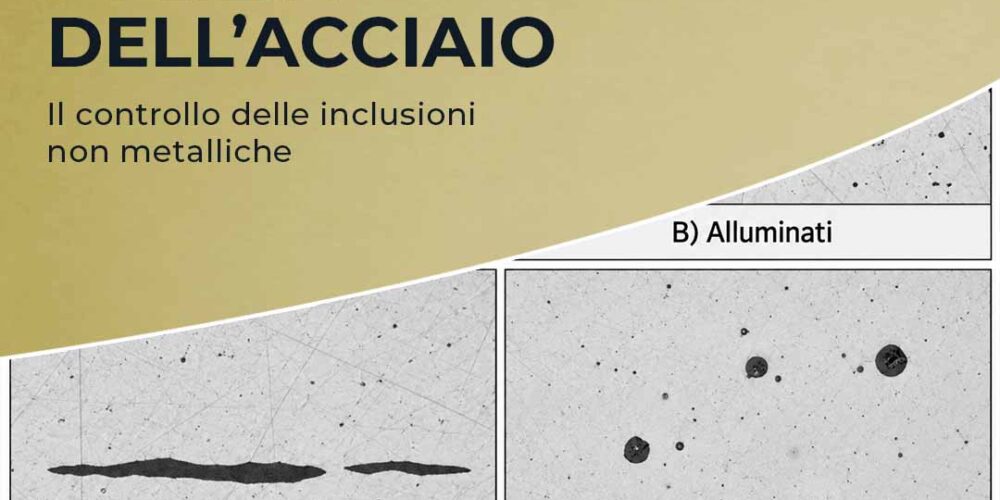
Photos under the Microscope
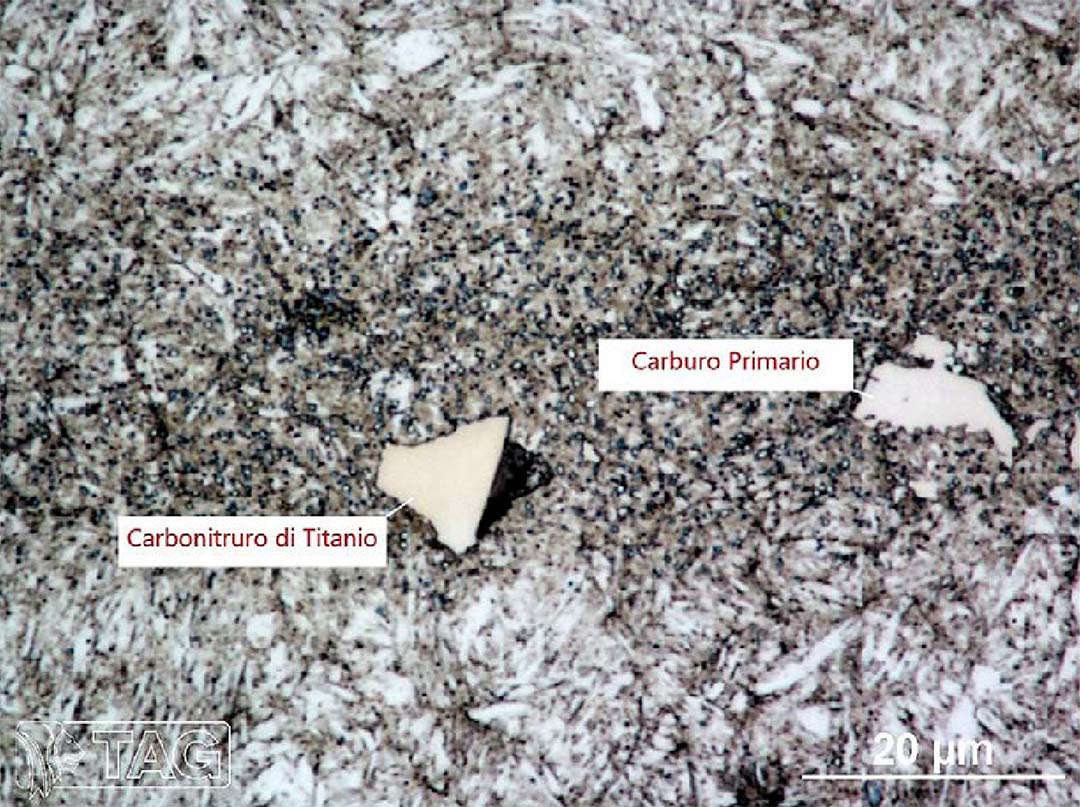
Image kindly provided by T.A.G. s.r.l..
The presence of carbon also negatively affects the corrosion resistance of steels. For example, steels with low carbon content (such as AISI 316L) exhibit better corrosion resistance compared to steels with higher carbon levels (such as AISI 316).
A Concrete Example
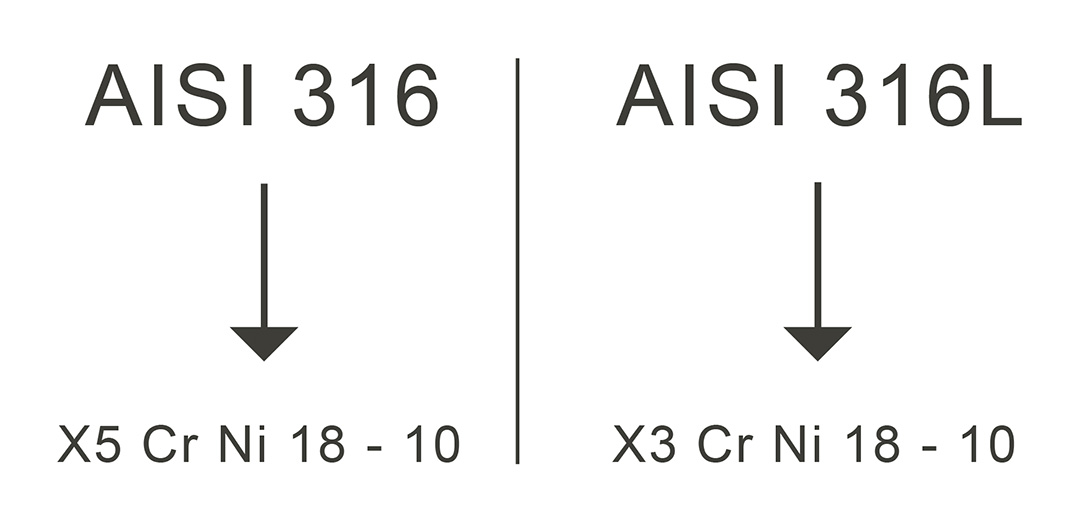
A practical example is the comparison between two stainless steels: AISI 316 X5CrNi18-10 and AISI 316L X3CrNi18-10. Although their chemical composition is almost identical, AISI 316L offers greater corrosion resistance thanks to its lower carbon content (0.03% vs 0.05%).
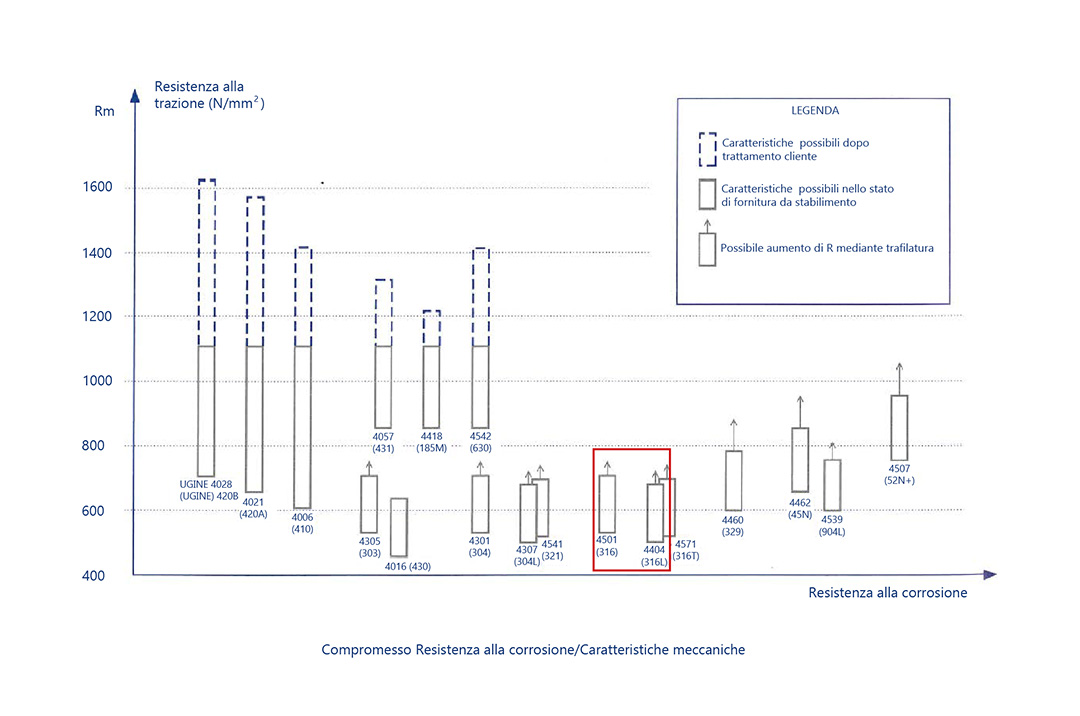
Graph 2: Corrosion Resistance / Mechanical Resistance Ratio
Carbon: Conclusion
Carbon is the element that most significantly influences the characteristics of steel, as it allows for balancing hardness, mechanical strength, and corrosion resistance.