When assessing the quality of a steel, checking its chemical composition…
Inside a DEW steel certificate: how to read data and controls (EN 10204)
After analyzing the differences between certificates according to EN 10204, it is now time to move into a practical perspective.
In this article, we will analyze a real steel certificate:
👉 DEW certificate – 1.2343 – Thermodur® 2343 Superclean, thickness 115 mm
The goal is not only to read the document, but to understand what the reported data actually represent and how they relate to steel quality.
👉 For a general overview of steel certificates:
https://www.bonomiacciai.it/il-certificato-di-analisi-e-controllo/

🧾 Steel certificate: what we are looking at
A steel certificate like this is the final result of a series of controls carried out throughout the entire production process, in compliance with EN 10204.
At first glance, it may appear as a set of technical data.
In reality, each section represents a specific level of verification.
👉 In this article, we highlight the main areas, which will be explored in detail in the next contents of the series.
🔍 Main sections of a steel certificate
Below is the complete certificate: scroll through the images to analyze each section.

1. Steel grade, metallurgical and surface supply conditions
2. Mother block / round bar dimensions

3. Heat number and production process
4. Applicable specifications and standards
5. Chemical composition
6. Charpy impact test KV
7. Charpy impact test KVW
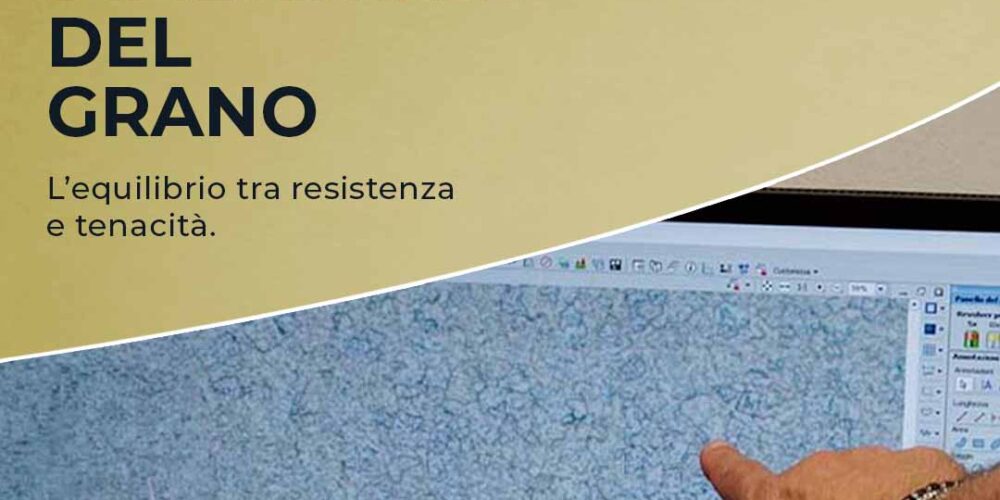
8. Grain size

9. Ultrasonic testing
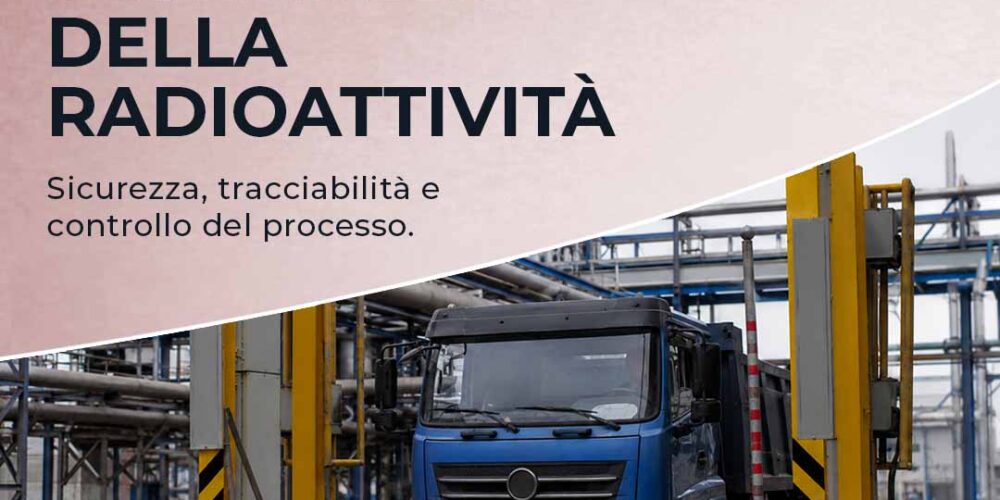
10. Declaration of absence of radioactivity
🧪 Chemical analysis in a steel certificate
Here we find the chemical composition of the steel:
- Carbon (C)
- Silicon (Si)
- Manganese (Mn)
- Chromium (Cr)
- Molybdenum (Mo)
- Vanadium (V)
✔ Defines the identity of the material ✔ Directly influences its characteristics
👉 This will be the focus of an upcoming article:
“Chemical analysis: the identity of steel”
🔩 Steel hardness
Indicates the material’s resistance to deformation.
✔ fundamental parameter for processing and application
✔ related to the delivery condition
👉 Upcoming in-depth article:
“Hardness: the resistance of the material”
💥 Impact toughness (Charpy test)
Measures the steel’s ability to absorb energy without breaking.
✔ essential for critical applications
✔ depends on temperature and structure
👉 Upcoming article:
“Toughness: how steel reacts to impact”
🔬 Grain size in a steel certificate
Represents the internal structure of the material.
✔ influences strength and toughness
✔ key metallurgical parameter
👉 Upcoming article:
“Grain size: balance between strength and toughness”
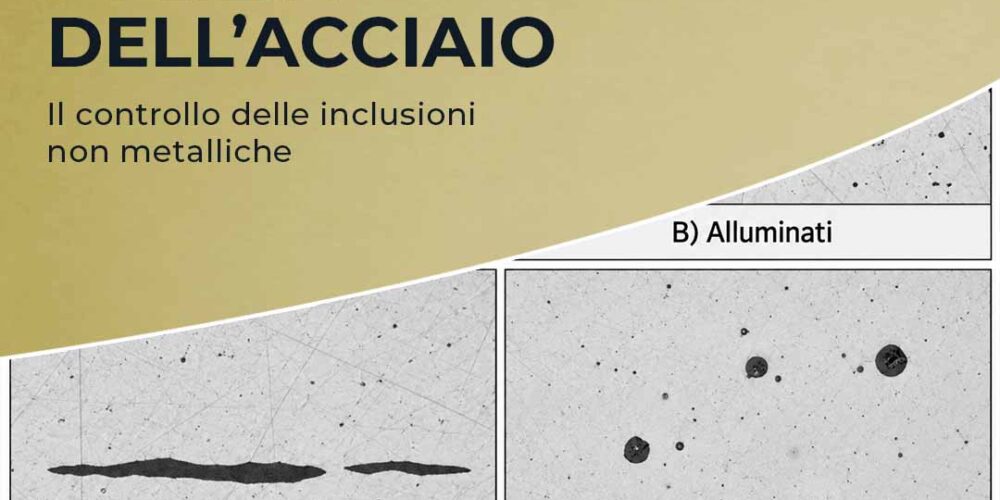
🧼 Steel cleanliness (inclusions)
Evaluates the presence of non-metallic inclusions.
✔ directly impacts reliability and durability
✔ essential for high-quality steels
👉 Upcoming article:
“Steel cleanliness: inclusion control”
🔍 Microstructure (metallography)
Analysis of the internal structure through microscopy.
✔ allows verification of treatments and metallurgical quality
👉 Upcoming article:
“Metallography: the invisible structure”
📡 Ultrasonic testing
Internal inspection of the material.
✔ detects non-visible defects
✔ essential for safety
👉 Upcoming article:
“Ultrasonic testing: seeing inside steel”
☢️ Radiometric control
Verifies the absence of radioactive contamination.
✔ fundamental requirement in many industrial sectors
👉 Upcoming article:
“Radiometric control: safety at the core of the process”
🧠 What a steel certificate really means
This certificate is not just a technical document.
👉 It is the summary of:
- chemical controls
- mechanical tests
- metallographic verifications
- non-destructive testing
Every value reported is the result of a precise process.
🔄 The role of the certificate in steel quality
This article represents the central point of the series.
👉 From here on, each content will focus on a single section of the certificate.
This will allow a deeper understanding of:
- how data are generated
- what they actually mean
- why they are essential for steel quality
🎯 Conclusion: how to read a steel certificate
A certificate like this DEW document is not just a sheet.
It is a map that tells everything that has been done on the material before delivery.
Understanding it means truly understanding steel quality.