When assessing the quality of a steel, checking its chemical composition…
Mirror polishability in optical molds: the role of BAX Superclean – Formadur® PH X
IT ALL STARTS WITH STEEL
Mirror polishability in optical molds: the role of BAX Superclean
In the automotive sector, behind an apparently simple component such as a headlight assembly lies a production process in which the surface quality of the mold plays a decisive role.

BAX SUPERCLEAN
When the mold surface becomes part of the result
Lenses, reflectors and optical inserts require extremely well-finished surfaces. When the final result must achieve high aesthetic and functional standards, the material used to manufacture the mold must also provide suitable properties.
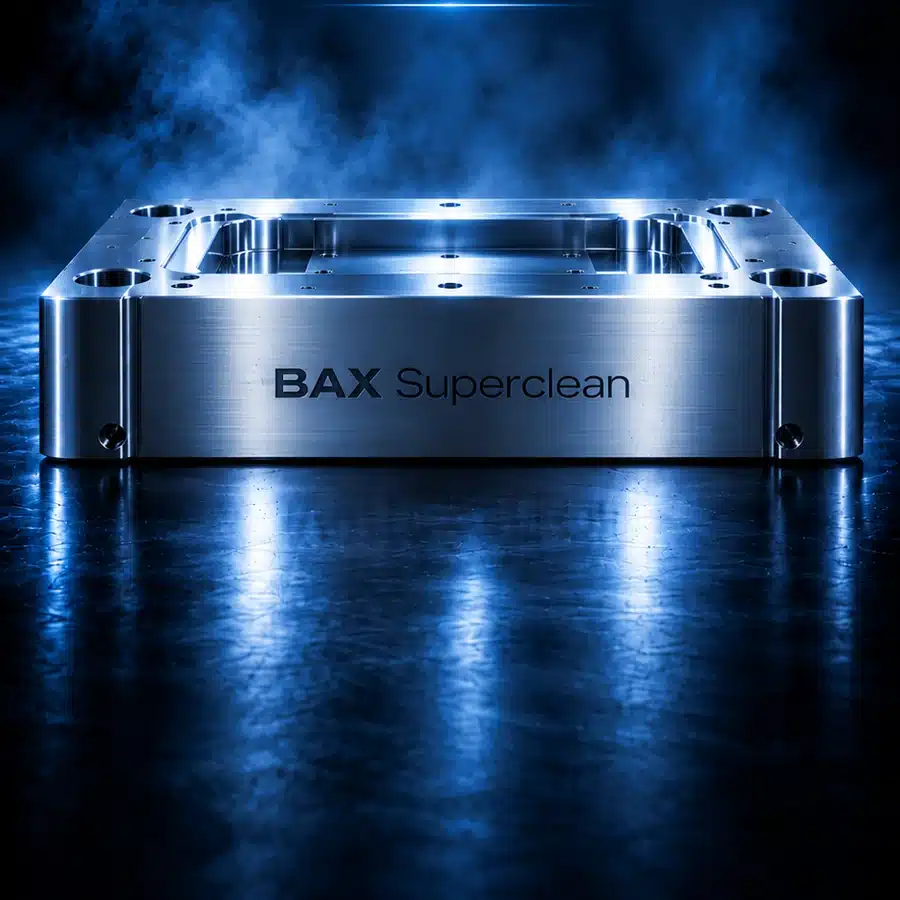
This is where BAX Superclean – Formadur® PH X Superclean comes into play: a corrosion-resistant, precipitation-hardening steel developed for applications requiring high surface quality, stability and exceptional mirror polishability.
BAX Superclean is a remelted steel characterized by exceptional mirror polishability, high corrosion resistance, good toughness and high mechanical strength.
This combination of properties makes it particularly suitable when mold surface finish becomes a genuine design requirement.
In these applications, mirror polishability in optical molds therefore becomes a requirement directly linked to the quality of the finished component.
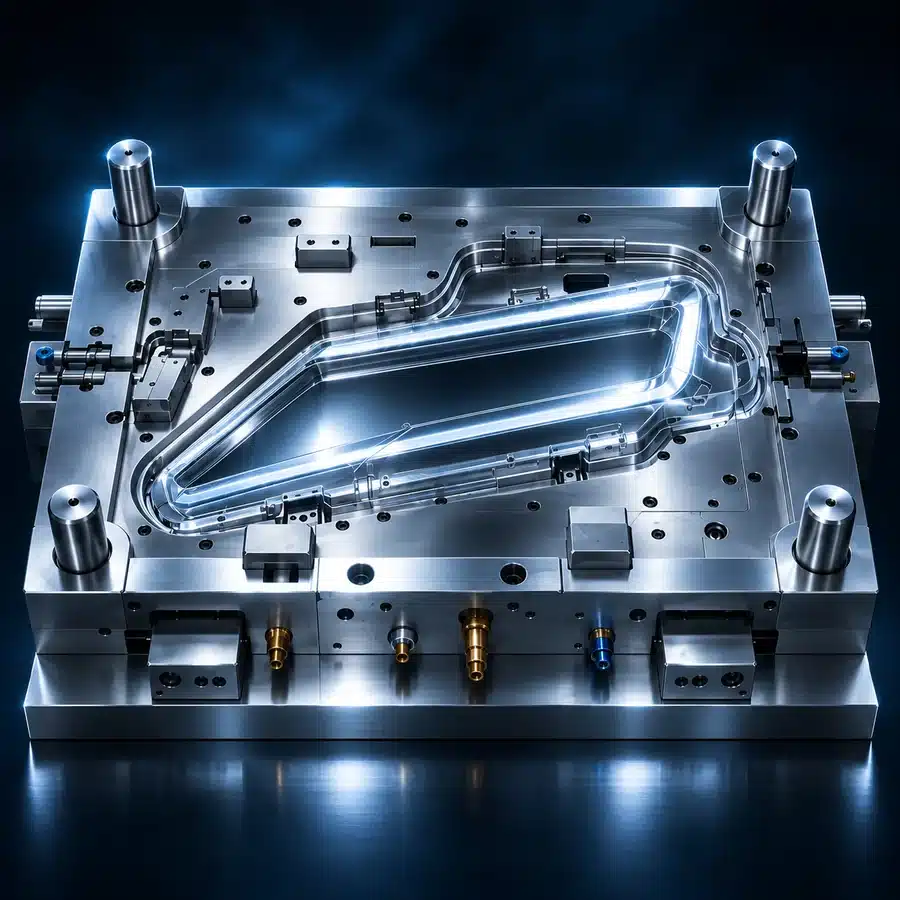
THE REQUIREMENT
Why is mirror polishability in optical molds so important?
When manufacturing molds for transparent, reflective or optical components, surface finish becomes particularly important.
The goal is not simply to obtain a visually polished mold, but to achieve a homogeneous, controlled surface free from discontinuities that could compromise the quality of the molded component.
BAX Superclean combines two particularly important requirements in plastic molding:
- high polishability
- corrosion resistance
For optical and automotive applications, this aspect becomes even more significant.
THE MATERIAL
What gives BAX Superclean its high polishability?
One of BAX Superclean’s distinctive characteristics is its metallurgical purity and particularly homogeneous microstructure.
Compared with many corrosion-resistant steels used in mold construction, it has a minimal carbide content. This helps reduce material inhomogeneities and supports the achievement of high-quality surfaces during polishing.
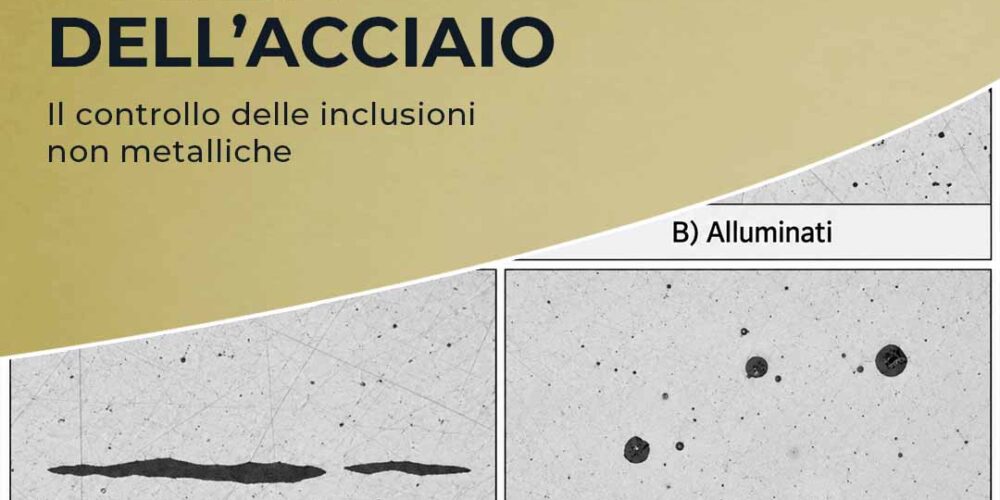
Another key factor is the remelting process, which helps reduce the content of non-metallic inclusions and consequently improves the material’s polishing performance and its ability to achieve an extremely high-level mirror finish.
The combination of microstructure and working hardness also contributes to its surface performance.

It starts with the finished component.
Then back to the mold.
And, before that, to the steel.
It all starts with steel.
APPLICATION FIELD

Mirror polishability and the automotive sector
One of the most immediate examples is automotive headlight assemblies.
BAX Superclean is used for molds and inserts in the automotive sector, including headlight reflectors, as well as in the optical sector for lenses and inserts.
In this context, choosing a steel for optical molds with high polishability and corrosion resistance can contribute directly to the surface quality of the finished component.
This is where the link between steel and the finished product becomes clear: a technical property of the material can contribute directly to achieving the performance required from the component.
BEYOND POLISHABILITY
Corrosion resistance and dimensional stability
Mirror polishability is the focus of this application, but BAX Superclean also provides other properties that are relevant to mold construction.
The material is a corrosion-resistant, precipitation-hardening steel with high mechanical strength and good toughness. Compared with Formadur® 2316, it also offers significantly improved corrosion resistance.
01
Dimensional stability
High shape stability throughout the different machining stages.
38–42 HRC
Supplied condition
BAX Superclean is supplied in the aged condition, with a typical hardness of approximately 40 HRC.
03
Process efficiency
The supplied condition helps limit the need for additional heat treatment.
WATCH THE ANIMATION
From the headlight to the mold. From the mold to the steel.
Watch the animation dedicated to BAX Superclean and discover the journey that connects the finished component to the properties of the material used to manufacture it.
A different way to talk about steel: starting from the result that its properties make possible.
BAX SUPERCLEAN
When steel selection starts from the final result
When a molded component must meet particularly high aesthetic and functional requirements, the choice of steel used to manufacture the mold also plays a fundamental role.
Compared with conventional 1.2316, BAX Superclean delivers superior performance, particularly in terms of polishability, corrosion resistance and shape retention.
A practical example of how material selection can start from the result you want to achieve on the finished product.