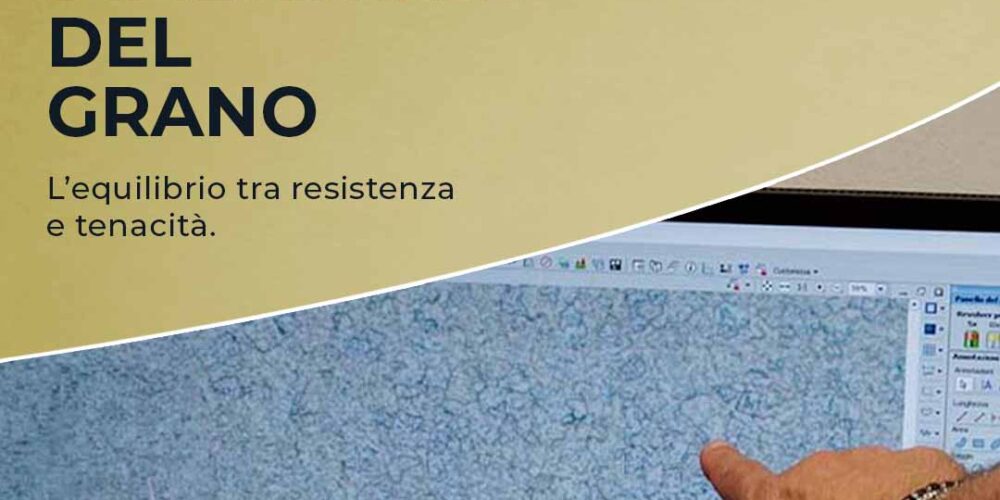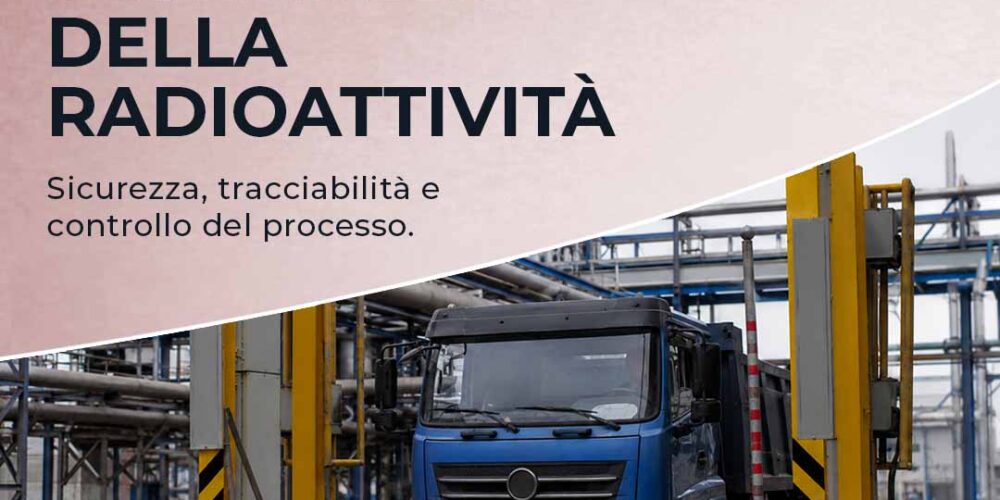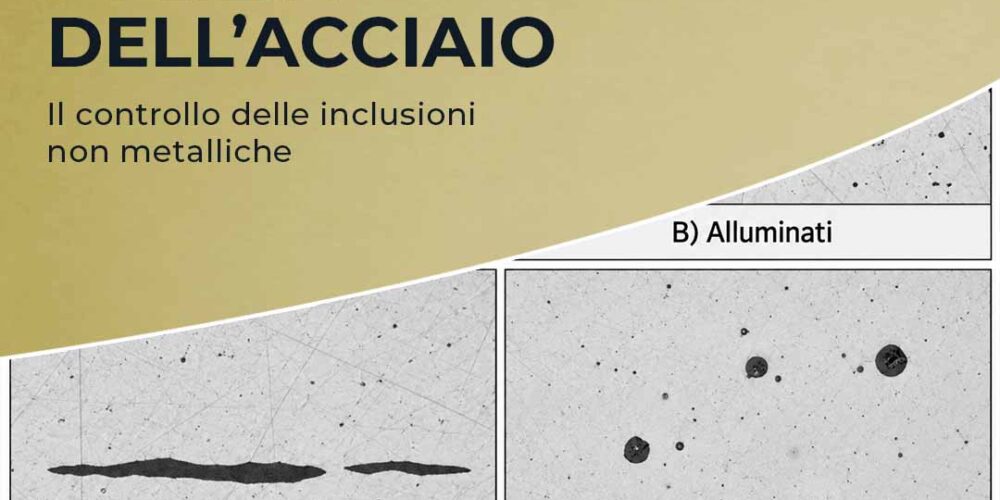
When assessing the quality of a steel, checking its chemical composition…
Special Steel Production Processes: Rolling

Benefits of Rolling in Special Steel
Both rolling and forging involve significant structural changes in the steel, which directly affect its machinability and mechanical strength characteristics. The hot plastic deformation operations typical of rolling improve the microstructural quality of the steel, contributing to enhanced mechanical performance of the final product.
The Lamination Process
During rolling, the semi-finished product passes through a series of shaped rolls that reduce its cross-section, improving its microstructure and making it suitable for various industrial applications. This process significantly reduces macrosegregations, although it does not completely eliminate them, while it fragments brittle structural compounds such as ledeburitic carbides and deforms manganese sulfides, aligning them along the rolling direction. These structural improvements are essential to achieve special steel with high performance in service.
Special steel production processes – Rolling: conclusion.
Rolling is one of the most widely used techniques to improve steel properties, ensuring a homogeneous distribution of chemical elements and a material with excellent mechanical strength characteristics. Through the use of advanced technologies, such as those implemented at Deutsche Edelstahlwerke (DEW) steelworks, rolling contributes to producing high-quality products ready to meet the challenges of the most demanding industrial sectors. Continue following our blog for further insights into advanced special steel production processes.