When assessing the quality of a steel, checking its chemical composition…
Steel surface finish: differences between peeled, milled, and raw steel
When talking about steel, the focus is often placed on chemical composition and heat treatments.
However, there is another fundamental aspect that directly affects processing and applications: the surface finish of steel.
👉 With the same material and supply condition, the surface condition can make a significant difference in terms of:
- machinability
- precision
- final quality


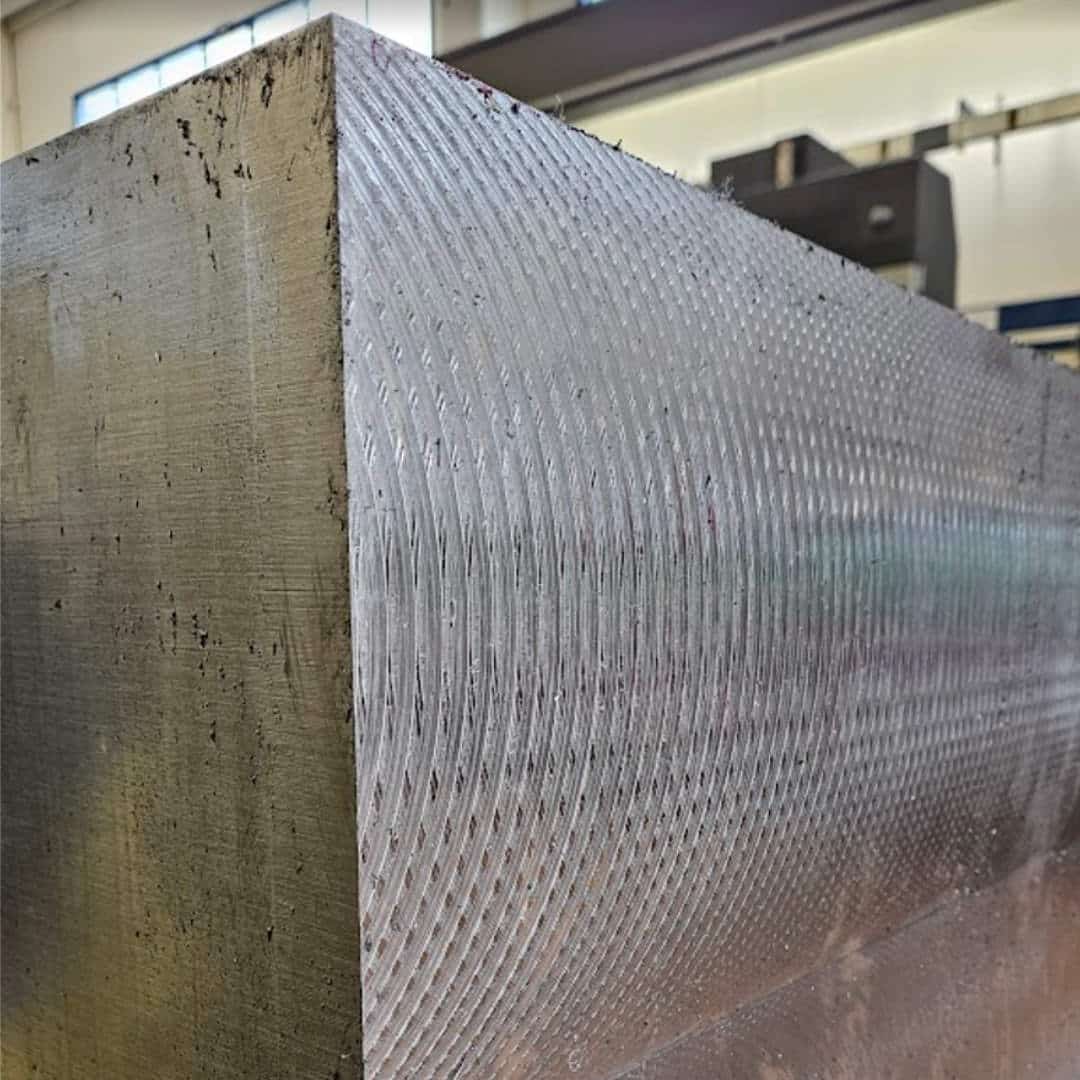


🔍 What is the surface finish of steel
The surface finish refers to the condition of the material surface at the time of supply.
👉 It does not concern the internal structure, but rather:
- the external appearance
- the finish
- the machining already performed
This condition directly affects subsequent processing and the final use of the material.
🔧 The main surface finishes
Among the most common are:
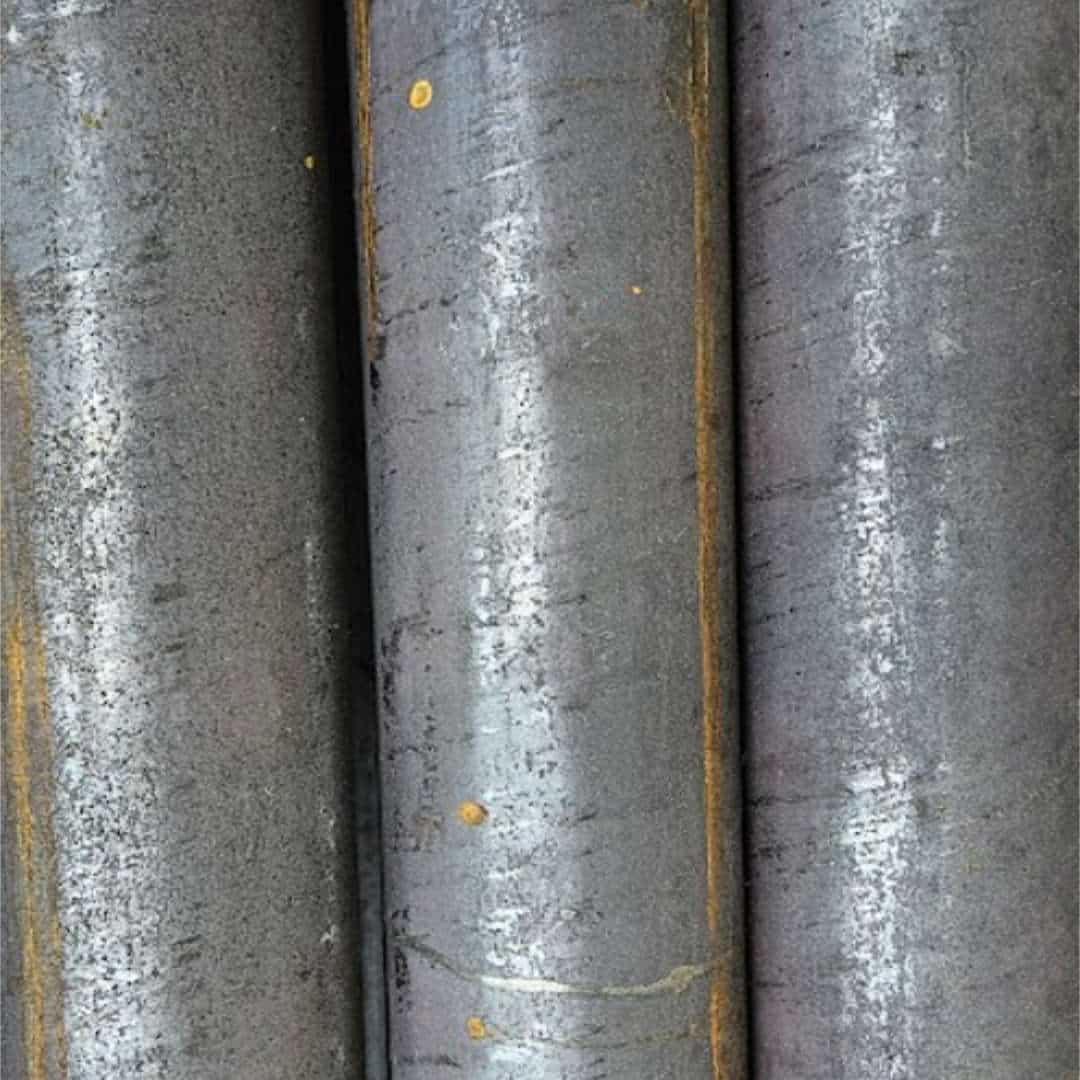
- peeled steel
- milled steel
- raw (black) steel
👉 Each has specific characteristics and is selected according to the application.
🔵 Peeled steel
Peeled steel, mainly used for the production of round bars, is obtained by removing the outer surface layer of material.
👉 This process allows:
- the removal of surface defects
- improved finish
- more precise tolerances
✔ Advantages:
- smooth surface
- greater dimensional precision
- better aesthetic quality
👉 Ideal for:
components requiring high precision and superior finish
🟠 Milled steel
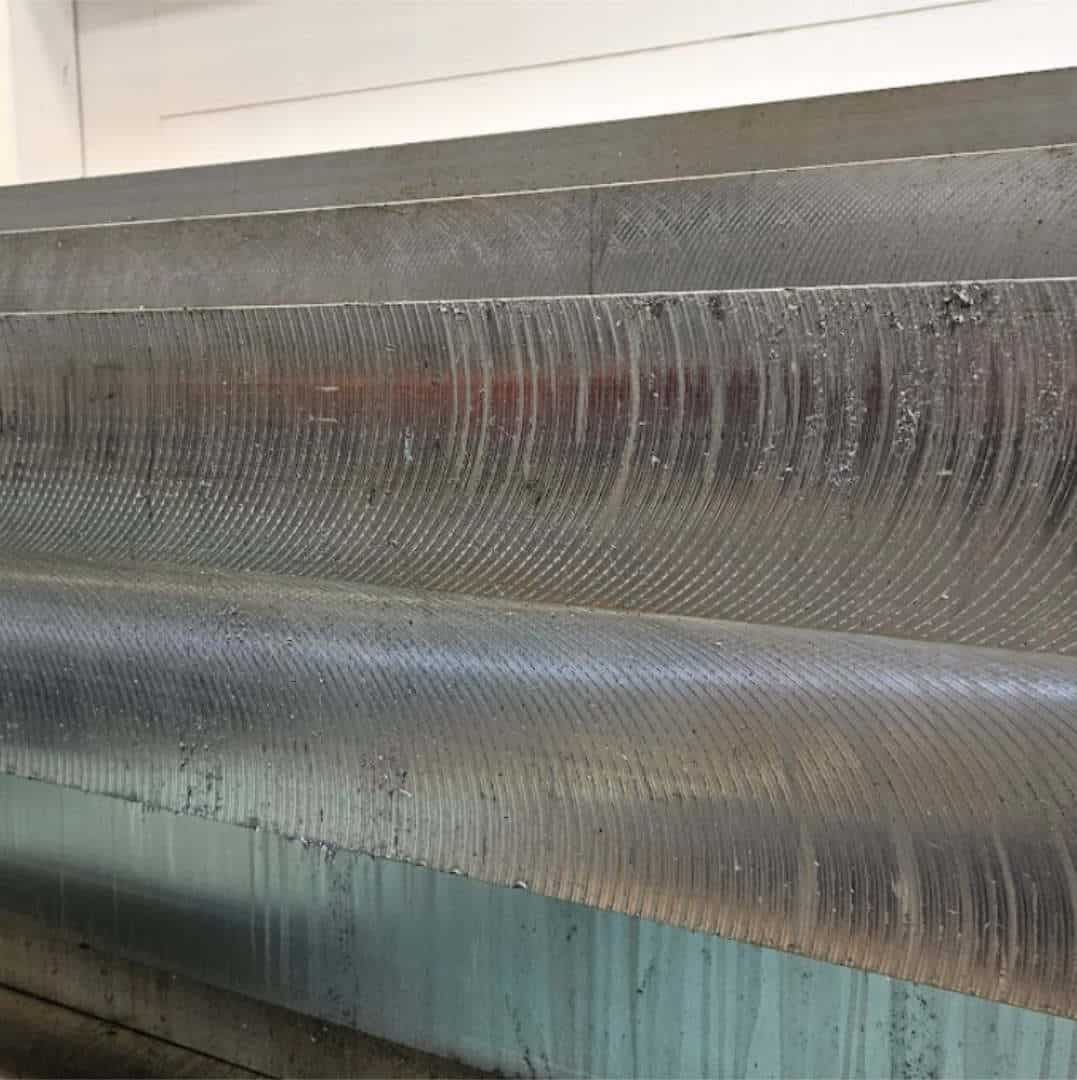
Milled steel, mainly used for the production of steel blocks, is processed through mechanical surface milling.
👉 Compared to peeled steel:
- it has a less uniform finish
- it shows machining marks
✔ Advantages:
- regular surface
- good precision
- lower cost compared to peeled steel
👉 Applications:
intermediate machining operations or components that are not aesthetically critical
⚫ Raw (black) steel
Raw steel, also called “black” steel, is supplied without significant surface processing.
👉 It therefore retains:
- the original rolling surface
- possible surface oxidation
✔ Advantages:
- lower cost
- no additional processing
👉 Limitations:
- less precise surface
- need for further machining
🧠 Why choosing the right surface finish is important
The choice of surface finish directly affects:
👉 machinability
👉 production times
👉 final product quality
A correct choice allows you to:
✔ reduce subsequent machining
✔ optimize costs
✔ improve the final result
🔄 Connection to the series
After analyzing supply conditions and heat treatments, this article introduces another fundamental level: the surface of the material.
👉 In previous content we explored:
- normalized condition
- spheroidized annealing
- quenched and tempered condition
- solution treated condition
- aged condition
👉 Here we go into detail about the external condition of steel.
🎯 Conclusion
The surface finish of steel is not a secondary detail.
👉 It is an element that concretely affects processing, costs, and the quality of the final product.
Understanding the differences means choosing the most suitable material right from the start.
Would you like to learn more about how steel inspections and checks are managed?
Contact us to speak with our technical department.