When assessing the quality of a steel, checking its chemical composition…
Alloying Elements: Manganese
Manganese (Mn) is a lustrous, silvery-gray transition metal, similar to iron in color. It’s very hard and brittle, resembling chromium in these characteristics. With an atomic number of 25 in the periodic table, Manganese is an essential element for the production of special steels. Thanks to its strong austenitizing effect, even at a content of just 12%, it can create austenitic structures at room temperature.
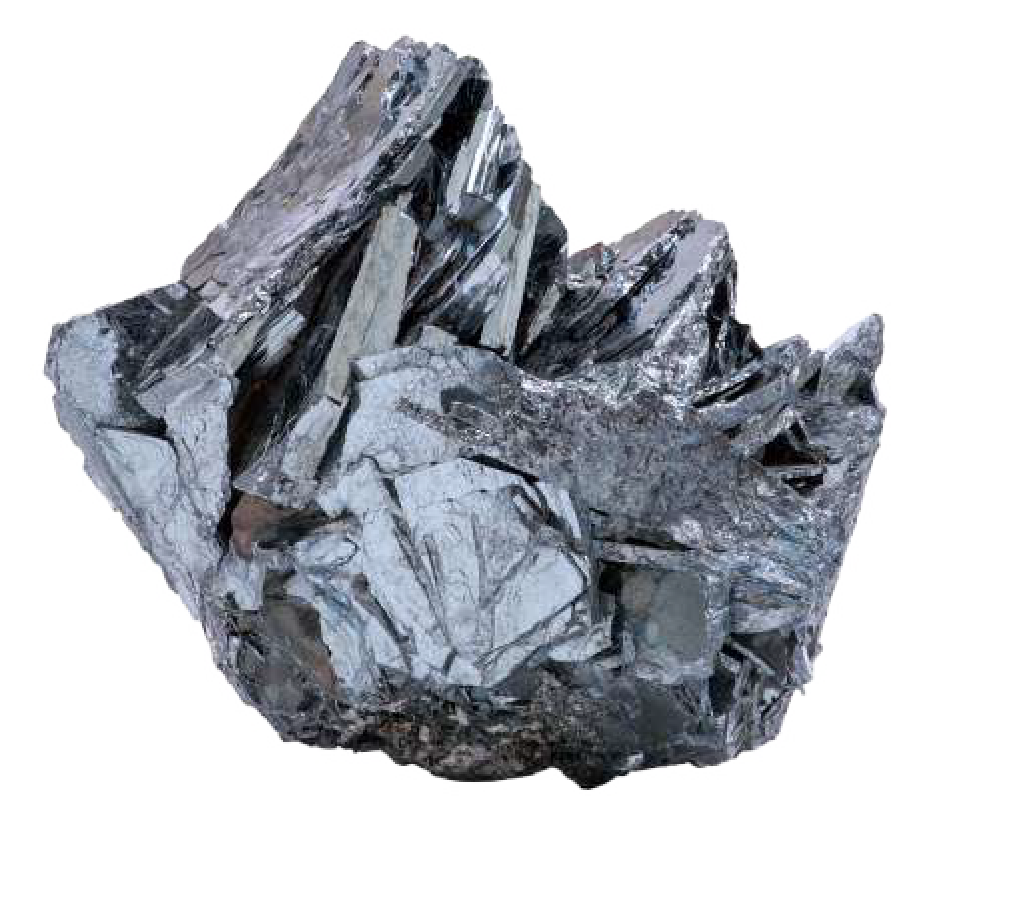
Alloying Element Profile: Manganese
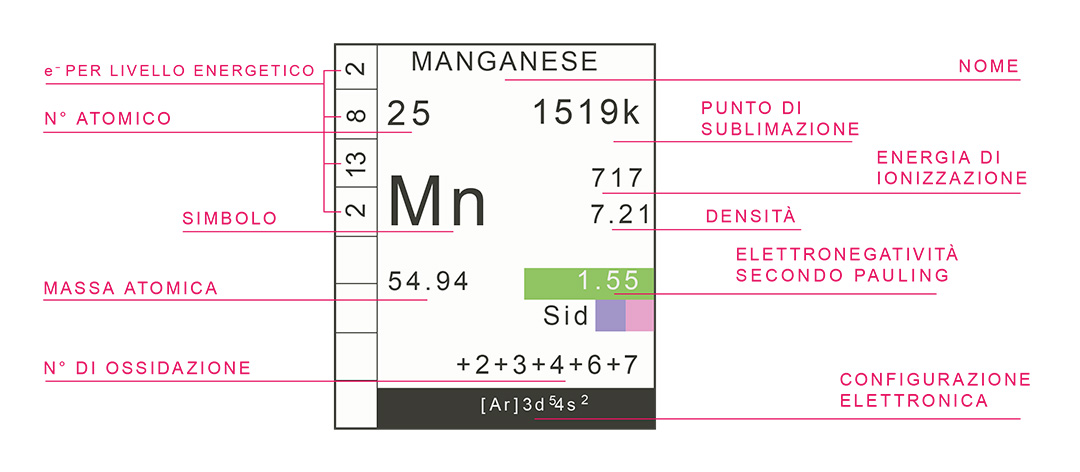
Properties and Influence of Manganese
- Natural Presence in Steels: Manganese is present in all steels as a result of the production process, with common levels around 0.3-0.4%. To be considered a manganese steel, the content must exceed 0.8-1.0%.
- Austenitizing Effect: Like Nickel, Manganese has a strong austenitizing effect, contributing to the formation of austenitic structures at room temperature.
- Hardenability: Manganese promotes the lowering of critical points during heating, thus allowing for a decrease in annealing and quenching temperatures. It also reduces the critical cooling rate, leading to an increase in hardenability penetration, and decreases quenching deformations.
- Tensile Strength: Every percentage point of Manganese increases tensile strength by approximately 100 N/mm².
- Thermal Conductivity: The presence of Manganese reduces thermal conductivity, making it essential to take precautions during the heating and cooling of steels containing high percentages of Manganese. Particularly for large or complex-geometry pieces, it’s important to avoid temperature non-uniformities that could cause fractures, especially in high-carbon steels.
Precautions in Use
- Respect for Complex Geometries: The presence of manganese leads to a decrease in thermal conductivity. This makes it necessary to take significant precautions when heating and cooling steels containing manganese. The aim is to avoid excessive temperature non-uniformities within the cross-section, especially in parts with complex geometries or large dimensions. Such non-uniformities can easily lead to fractures in high-carbon steels.
- Specific Applications: Manganese steels are used in applications requiring high tensile strength and stable structures at varying temperatures.
Manganese: Conclusion
Manganese (Mn) is an element often present in steels, with a significant effect on mechanical properties, hardenability, and structural stability. At Bonomi Acciai, representatives of Swiss Steel Group, we are committed to supplying high-quality special steels to ensure performance and reliability in every sector.