When assessing the quality of a steel, checking its chemical composition…
Alloying Elements: Molybdenum
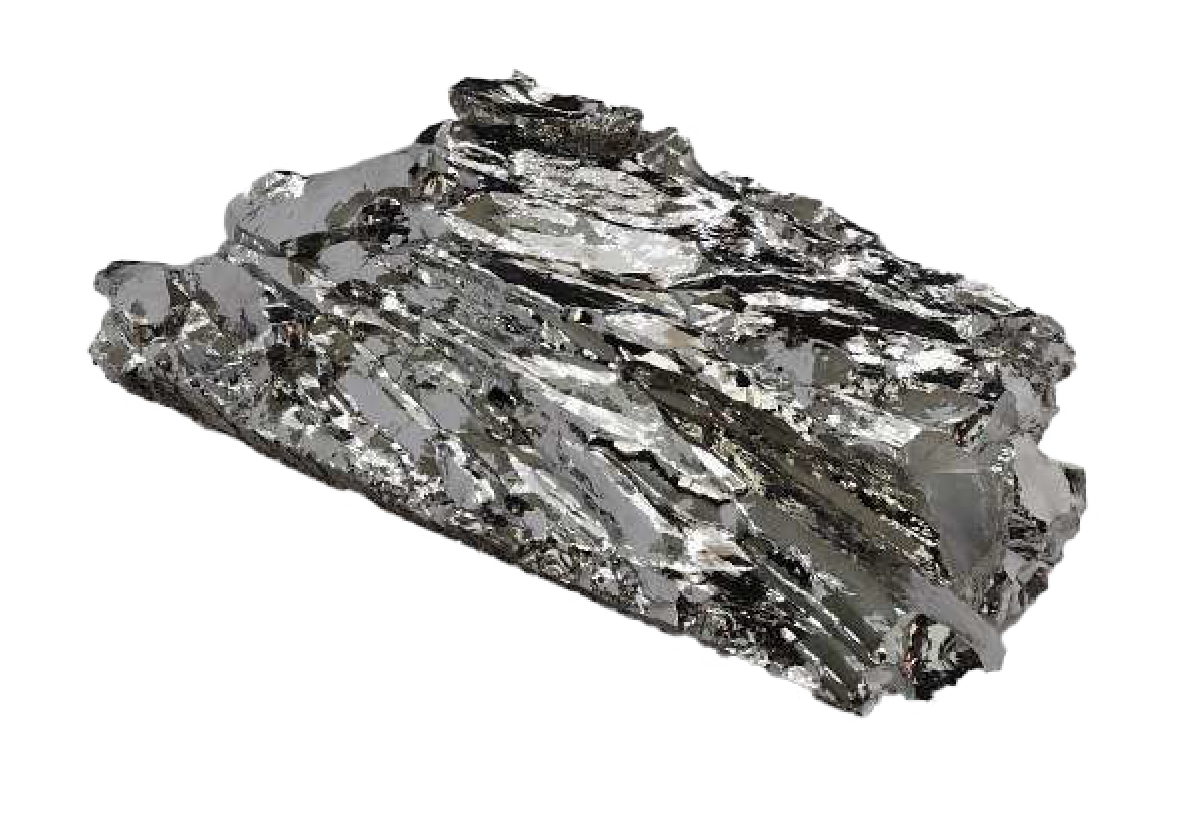
Molybdenum (Mo) is a heavy metal with an extremely high melting point (2610 °C), known for its ability to improve the mechanical and chemical properties of special steels. In particular, Molybdenum forms carbides, whose hardness surpasses that of Chromium carbides, making it fundamental for high-performance industrial applications.
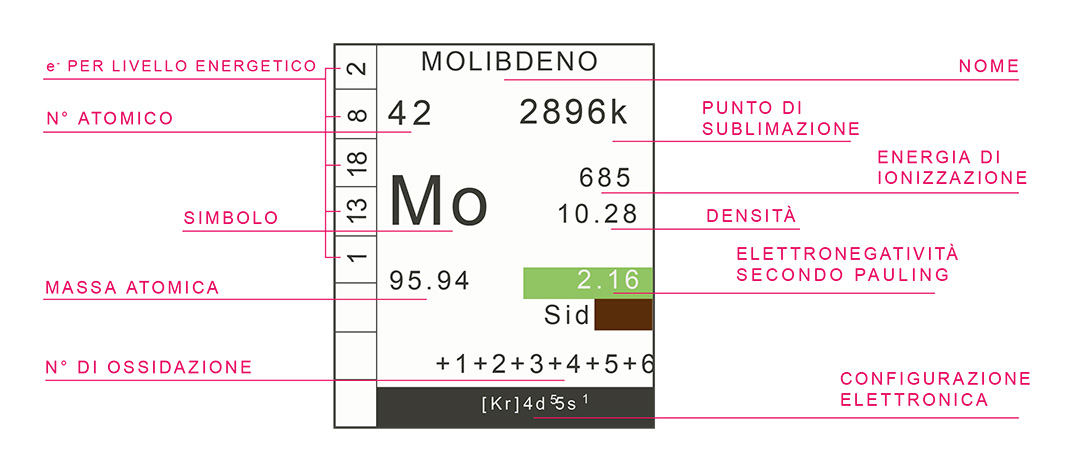
Alloying Element Profile: Molybdenum
Properties and Influence of Molybdenum
- Tungsten Substitute: Molybdenum found use in steel production as an alternative to Tungsten (W), which was difficult to obtain during World War II. Molybdenum replaces Tungsten at an approximate ratio of 1:2, meaning 1 part of Molybdenum replaces 2 parts of Tungsten.
- Hardenability and Martensite Stability: It increases the hardenability of steels and improves the stability of martensite at high temperatures.
- Temper Embrittlement: It reduces the susceptibility of steels to “Krupp sickness” (temper embrittlement).
- Fatigue and Creep Resistance: Significantly improves fatigue limit and creep resistance (hot deformation).
- Magnetic Properties: Contributes to the magnetic properties of steels, finding use in permanent magnets.
- Corrosion Resistance: In stainless steels alloyed with Chromium or Chromium-Nickel, Molybdenum further enhances corrosion resistance
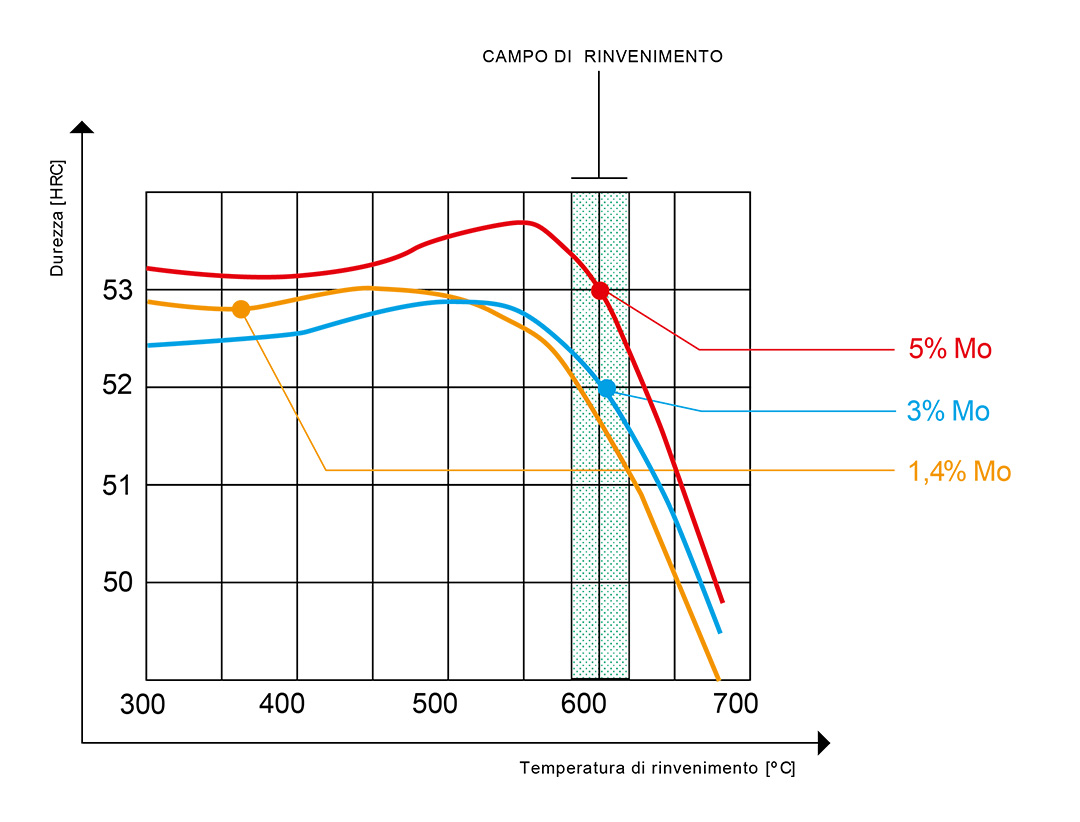
Diagram: Tempering Range
Molybdenum: Conclusion
Molybdenum (Mo) is a useful alloying element for improving the mechanical strength, thermal stability, and chemical resistance of steels. At Bonomi Acciai, representatives of Swiss Steel Group, we are committed to providing high-quality special steels to ensure excellent performance and reliability in every sector.