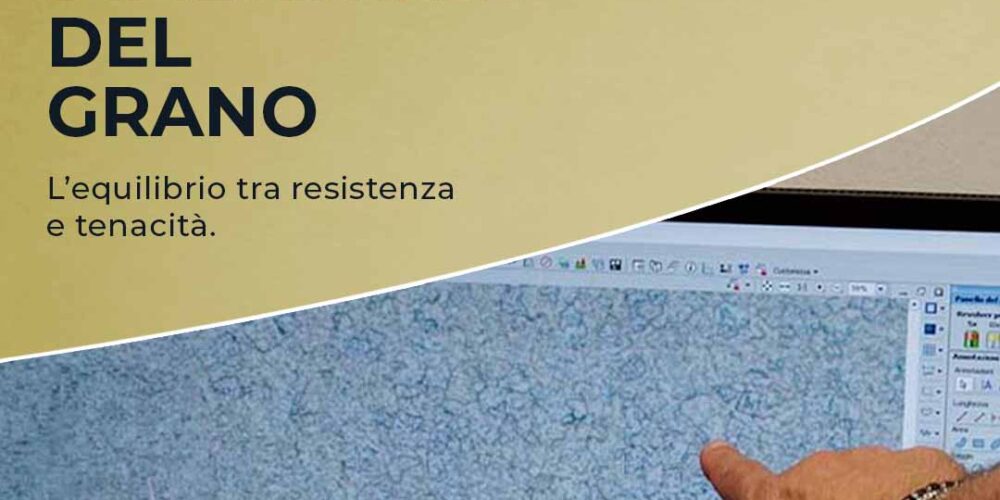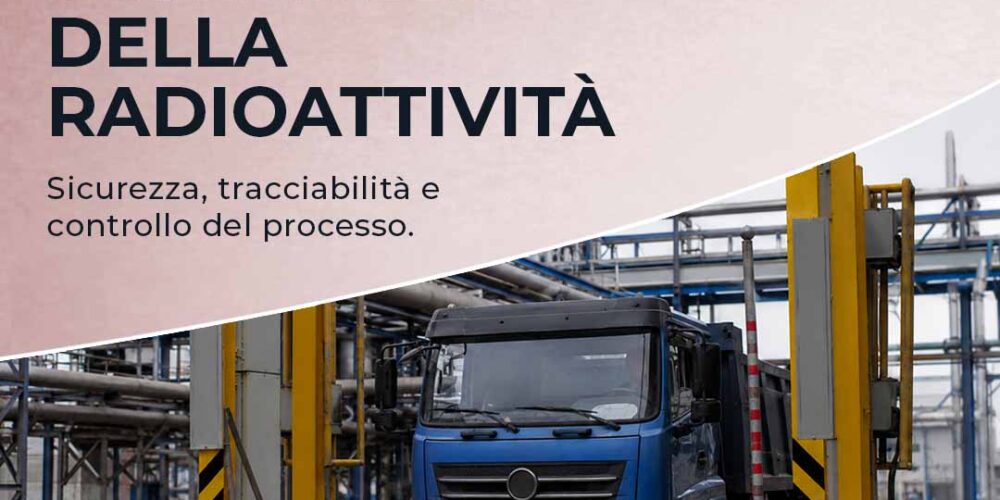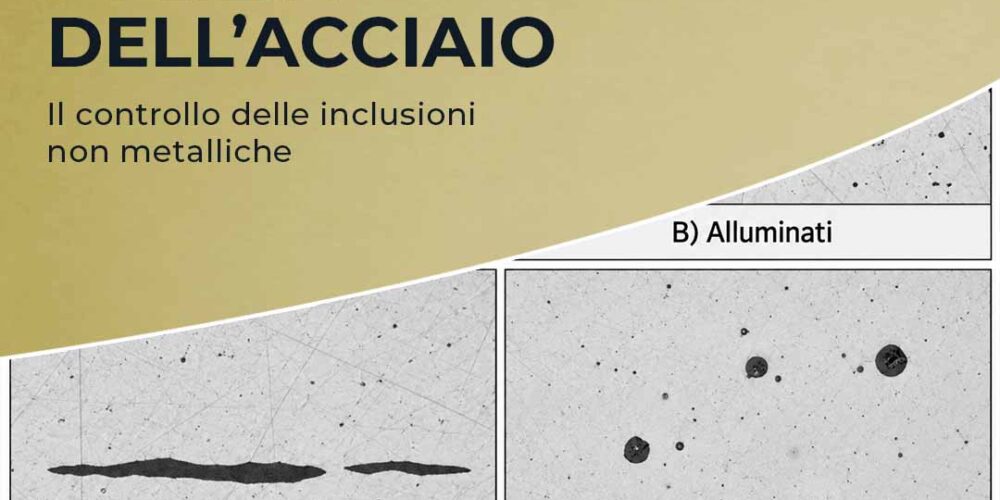
When assessing the quality of a steel, checking its chemical composition…
Special Steel Production Processes: Continuous Casting

The Continuous Casting Process
In continuous casting, the ladle containing the molten steel is positioned above a distributor with multiple outlet channels. These channels are directly connected to bottomless copper molds equipped with a forced water-cooling system. This setup speeds up the solidification process, minimizes segregation formation, and improves the chemical homogeneity of the metal thanks to the use of electromagnetic stirrers.
Advantages of Continuous Casting
The continuous casting technology offers numerous advantages over traditional ingot casting. First of all, it allows steel to be produced more quickly and efficiently, enabling multiple consecutive castings. Additionally, the water-cooled copper molds accelerate the solidification process, enhancing the final product quality.
Applications and Use of the Produced Bars
Steel bars produced through continuous casting are individually identified and subsequently rolled to be used as electrodes in remelting plants. This step is crucial to ensure that the steel maintains its optimal properties throughout the entire production process.
Special steel production processes – Continuous casting: conclusion.
Continuous casting represents an advanced and technologically sophisticated stage in the production of special steel. At Deutsche Edelstahlwerke (DEW) steelworks, which we represent, this process is carried out with precision to ensure a high-quality final product. Keep following our blog for further insights into advanced special steel production techniques.