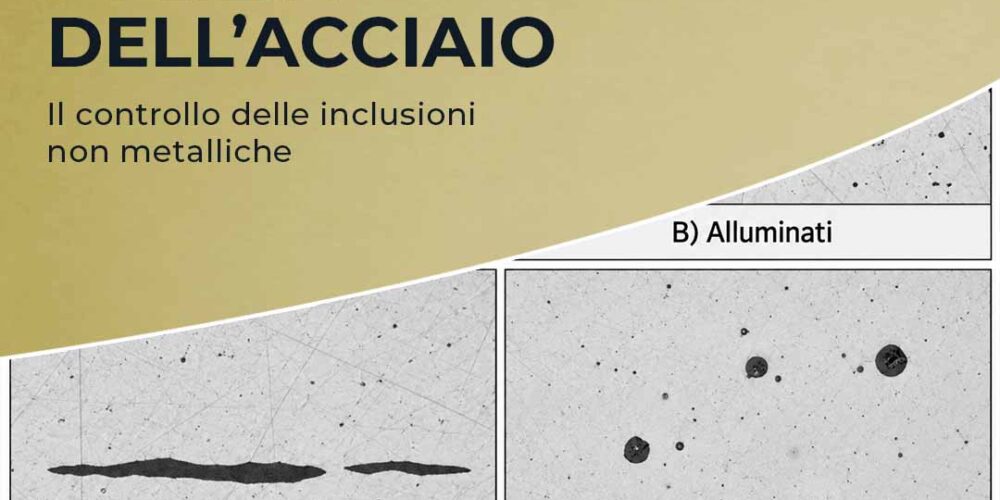
When assessing the quality of a steel, checking its chemical composition…
Special Steel Production Processes: Ingot Casting

The Ingot Mould Filling Process
The filling of the molds is done through a distributor channel that allows bottom-up filling. This method, known as bottom pouring, limits the metal’s contact with air, as it is continuously protected by slag, thereby reducing the entrapment of unwanted elements. Additionally, any fragments of refractory material that detach during filling remain afloat, making their removal easier.

Cooling and Solidification of Steel
Once poured into the mold, the molten steel begins the cooling and solidification process. During this phase, chemically similar elements tend to bind and concentrate in the central zones of the ingot, which remain liquid for longer. This phenomenon can cause segregation and non-uniformity. To minimize these effects, cooling must occur rapidly, and the use of molds with appropriate geometries helps increase the heat exchange surface area, improving the uniformity of cooling.
Special steel production processes – Ingot casting: conclusion.
Continuous casting is a crucial stage in the production of special steel, as it directly affects the quality and homogeneity of the material. At Deutsche Edelstahlwerke (DEW) steelworks, which we proudly represent, this process is carried out with the utmost precision to ensure a final product of excellence. Stay tuned to our blog for further insights into advanced special steel production techniques.