When assessing the quality of a steel, checking its chemical composition…
The Resilience of Materials
Resilience is a crucial mechanical property that determines a material’s capacity to absorb energy during both elastic and plastic deformations. It’s essential to understand this characteristic, also known as “impact toughness” or “impact strength,” for materials that must withstand shocks or impacts. This property is tested using the Charpy impact test.

Why Perform Resilience Tests?
Impact toughness tests are fundamental to ensure a material has the right capacity to resist impacts, preventing the propagation of cracks that could lead to fracture. Therefore, resilience should not be confused with ductility, which represents the ability to absorb energy through plastic deformation and is the characteristic that delays and reduces crack nucleation, stemming from the quality of the metallurgical processes that led to the metal’s fabrication.
The Charpy test.
The most commonly used test method to evaluate resilience is the Charpy impact test, where the energy required to break a standard specimen with a single blow is measured. This value, expressed in Joules [J], represents the material’s impact resistance and provides a precise indication of its resilience.

Preparation of Test Tubes and Types of Carving.
The test pieces used for resilience tests can have different types of notches:
- KV: 45° V-notch, 2 mm deep, in accordance with UNI EN 10045/1.
- KU: U-notch, 5 mm deep, according to UNI EN 10045/1.
- KVW: Unnotched specimen, used to measure ductility.
The standard specimen has a length of 55 mm and a square cross-section of 10 mm. Reduced-section specimens, with widths of 7.5 mm or 5 mm, are also available.


Factors that Influence Resilience.
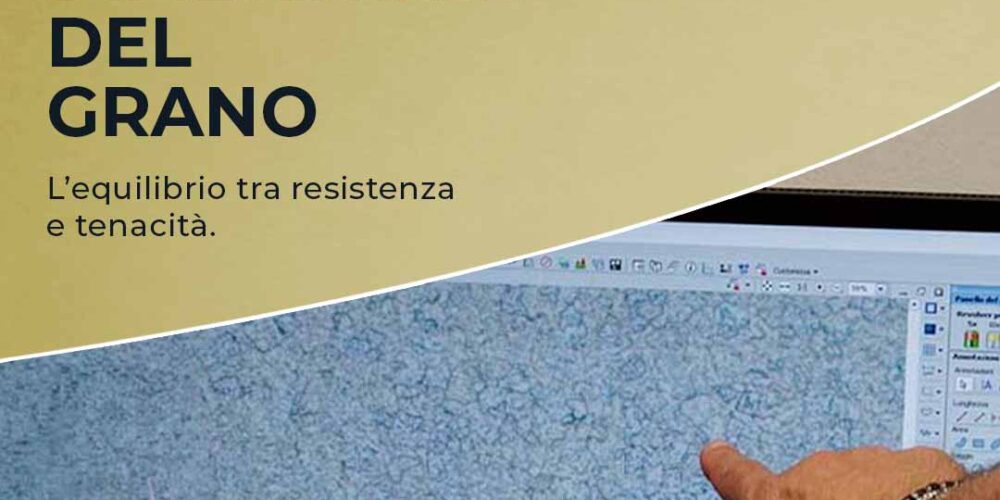
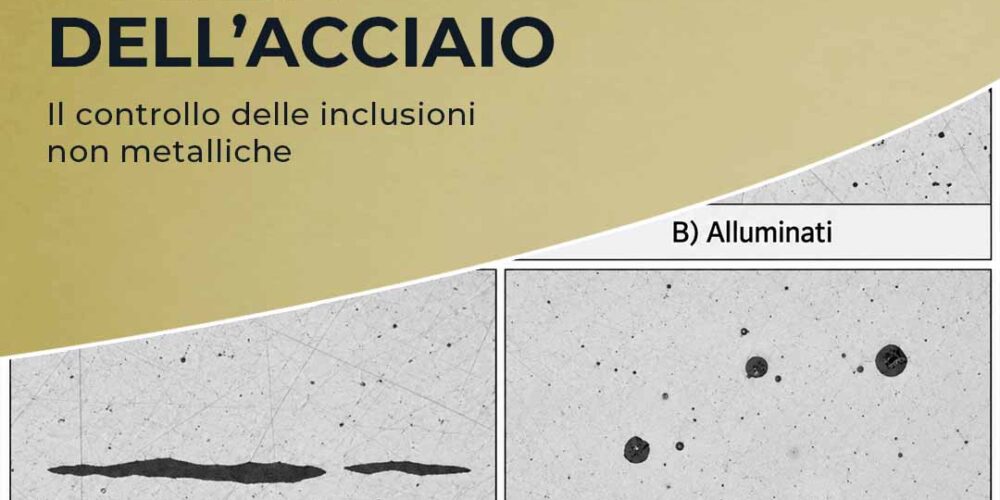
The resilience of a material can be influenced by various microstructural characteristics, introduced through heat treatments. Factors such as non-metallic inclusions (sulfides, oxides, silicates) and segregations within the metal act as initiators for crack nucleation, compromising the material’s ability to resist shocks and impacts. For this reason, the use of remelted steels is preferred.
The Resilience of Materials: conclusion.
Impact toughness tests are a fundamental tool for evaluating a material’s resistance to impact.