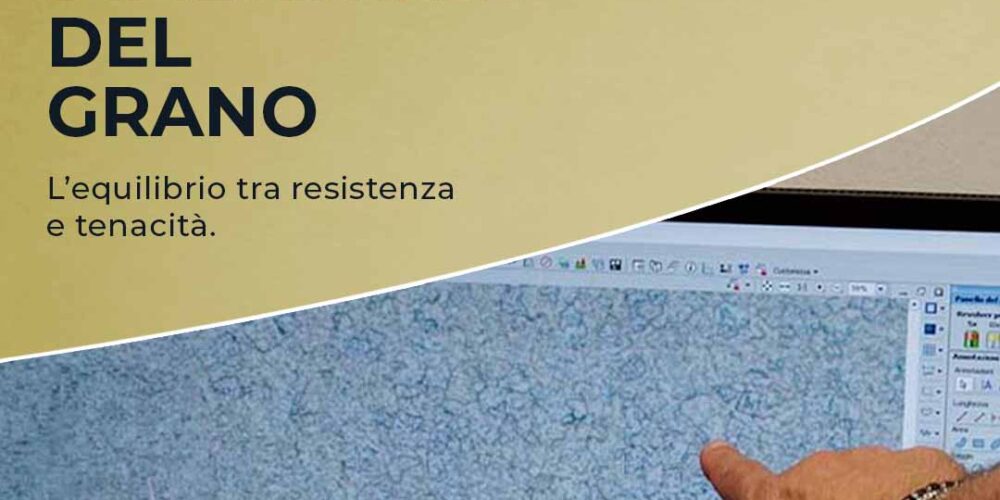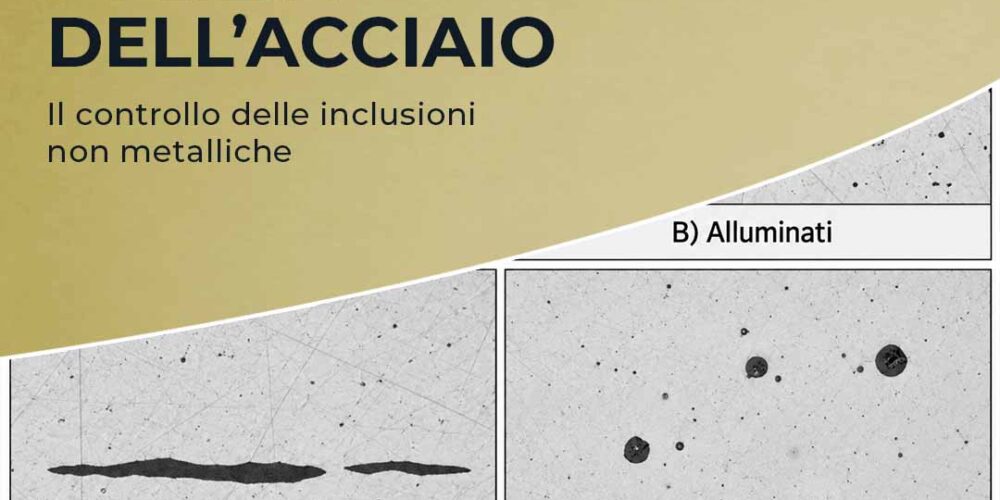
When assessing the quality of a steel, checking its chemical composition…
Heat Treatments: Preliminary Precautions for the Die Maker
Before submitting a die to heat treatments, the die maker should adopt a series of preliminary precautions to prevent structural defects and ensure maximum component performance.
Defects such as cracking, distortion, and rupture can be avoided through careful design and conscious machining.
Below are the main aspects to consider.
Sharp Edges
Sharp edges are areas of high stress concentration and represent critical points for crack initiation during heat treatment. Edges should be radiused or chamfered wherever possible.

Welds
Welds may conceal internal defects such as microcracks and blowholes. It is essential to clearly identify welded areas and perform dye penetrant inspection before heat treatment.

Stepped Milling
Stepped milling creates sharp transitions that may act as stress risers and crack initiation zones. Where possible, these should be replaced by smooth radiused connections between surfaces.

Forging Draft Witnesses
Unmachined surfaces from the forged block may retain scale, hot-work defects, or structural anomalies. All surfaces should be properly machined to avoid weak points.

Electrical Discharge Machining (EDM)
EDM generates an altered surface layer (white layer) that is non-uniform and may contain microdefects. Polishing of machined areas is recommended, along with a preliminary stress-relieving cycle and double dye penetrant inspection—before and after quenching.

Cooling Holes
The bottom of cooling holes should be rounded. Pointed geometries concentrate stress and are potential crack initiation sites.

Close-Spaced Holes
Holes that are too close together cause uneven wall thickness, leading to varying thermal gradients during quenching. This imbalance increases the risk of cracking between holes.

Conclusion
The effectiveness of a heat treatment depends not only on the material quality and the thermal cycle applied, but also on the component’s design and preparation.
At Bonomi Acciai, representatives of Swiss Steel Group, we support engineers and die makers in the continuous improvement of manufacturing processes, helping prevent failures and maximise the performance of special steels.
Contact us for a dedicated technical consultation.
Would you like to learn more?